Project-level Environmental-Economic Accounting (EEA) across four Indo-Pacific implementation projects
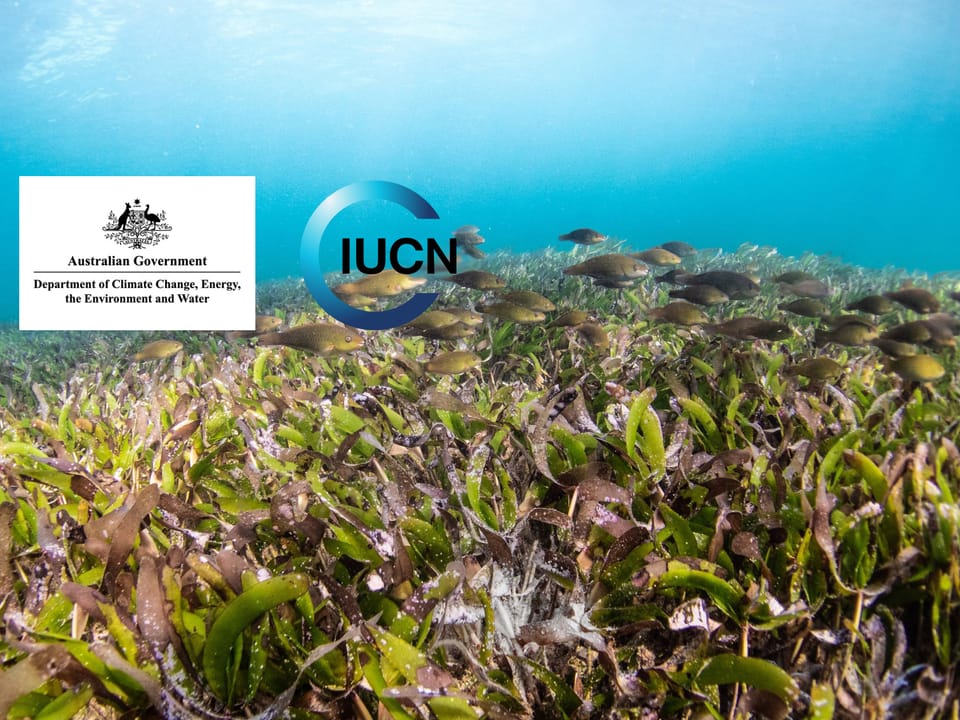
Making blue carbon outcomes measurable, comparable, and decision-ready
The Global Ocean Accounts Partnership (GOAP), hosted by the UNSW Centre for Sustainable Development Reform, supports selected Blue Carbon Accelerator Fund (BCAF) implementation projects by helping compile and report social, economic, and environmental baseline and outcome data in ways that align with international statistical standards.
This helps projects communicate results clearly to governments, communities, and investors who need credible evidence of climate, biodiversity, and livelihood benefits.
About BCAF
The Blue Carbon Accelerator Fund (BCAF) supports blue carbon restoration and conservation projects outside Australia and is intended to help strengthen the case for scaling investment by demonstrating and measuring benefits for climate, biodiversity, and livelihoods.
The BCAF is supported by the Australian Government Department of Climate Change, Energy, the Environment and Water (DCCEEW) and delivered in partnership with the International Union for Conservation of Nature (IUCN).
GOAP’s role (what we do)
- Helps projects organise, compile, and report baseline and outcome information in accounting formats that are compatible with international statistical standards.
- Supports environmental-economic accounting (EEA) approaches that enable consistent reporting across different geographies and project contexts.
- Works with IUCN and project teams to support a coordinated approach to accounting and measurement across selected projects.
Why accounting and measurement support matters
- Blue carbon projects often generate multiple outcomes (climate, biodiversity, livelihoods), but those outcomes can be difficult to compare across sites without a shared reporting structure. (Blue Natural Capital)
- GOAP’s support helps translate project evidence into structured accounts that can be communicated to decision-makers and aligned with emerging nature-related reporting expectations, including being aligned with TNFD-style disclosure needs (where relevant and appropriate to the available evidence).
How this helps
- Comparability: shared accounting structure so outcomes can be compared across sites and over time.
- Credibility: internationally aligned measurement and documentation that strengthens confidence in reported results.
- Decision-use: evidence into clear accounts that stakeholders can apply in planning, reporting, and investment conversations.
Four projects supported with communications products
Below are communication document spaces for each project.
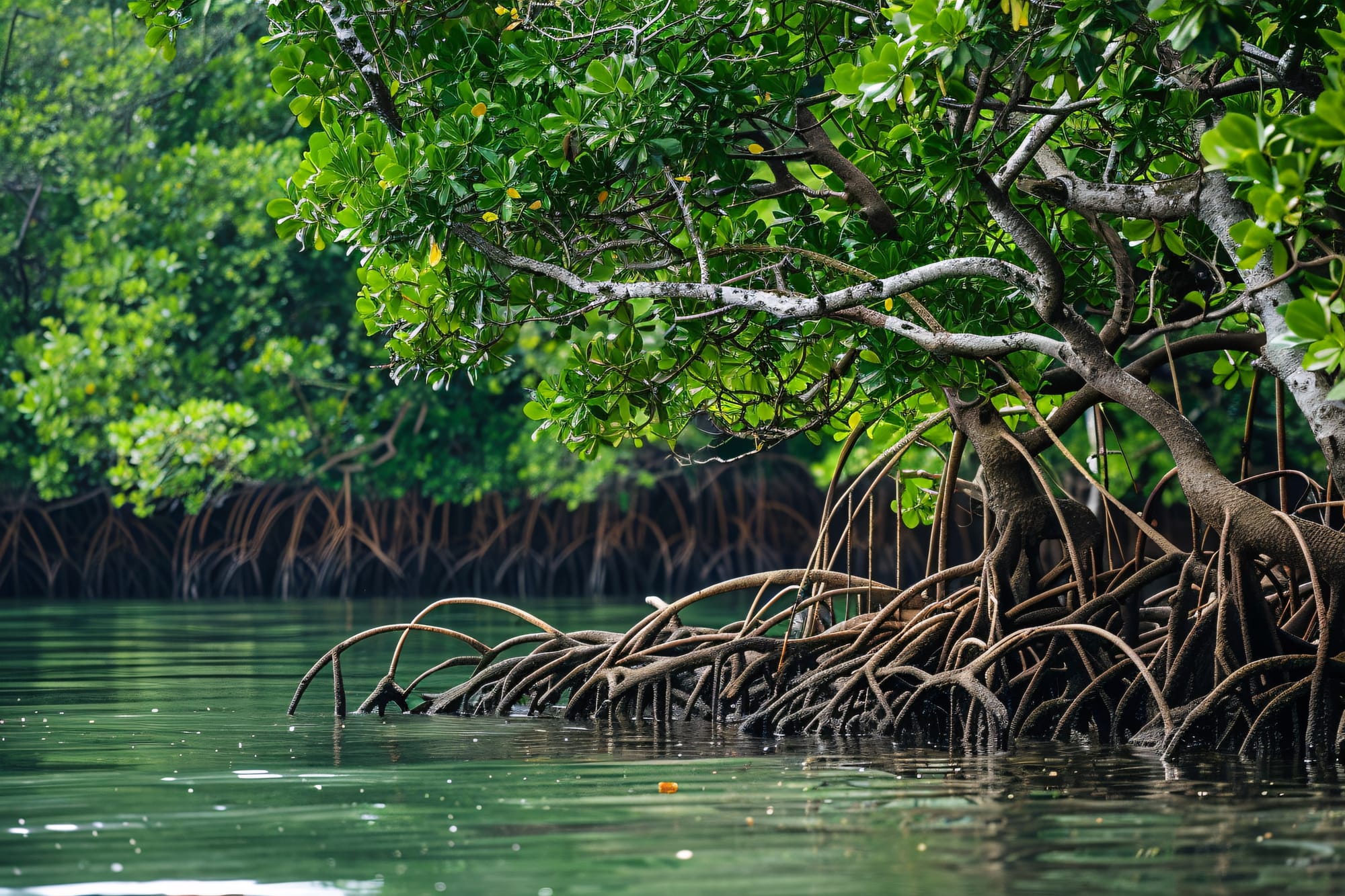
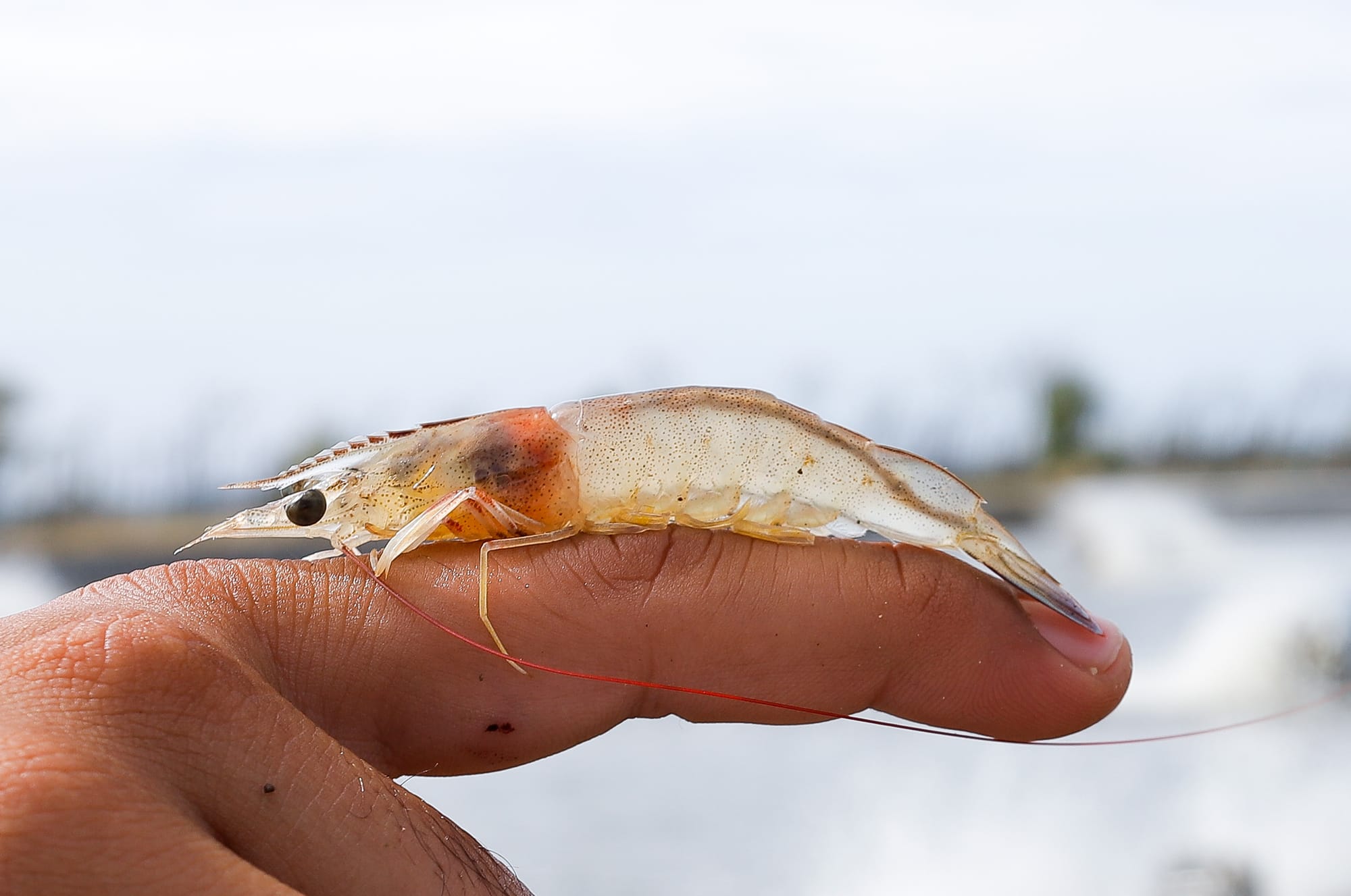
Infinity Blue (Papua New Guinea)
GOAP supports the compilation of baseline and outcome information so project results can be reported in internationally compatible accounting formats.
GOAP’s accounting support helps present climate, biodiversity, and livelihood evidence in a way that is comparable with other BCAF-supported projects.
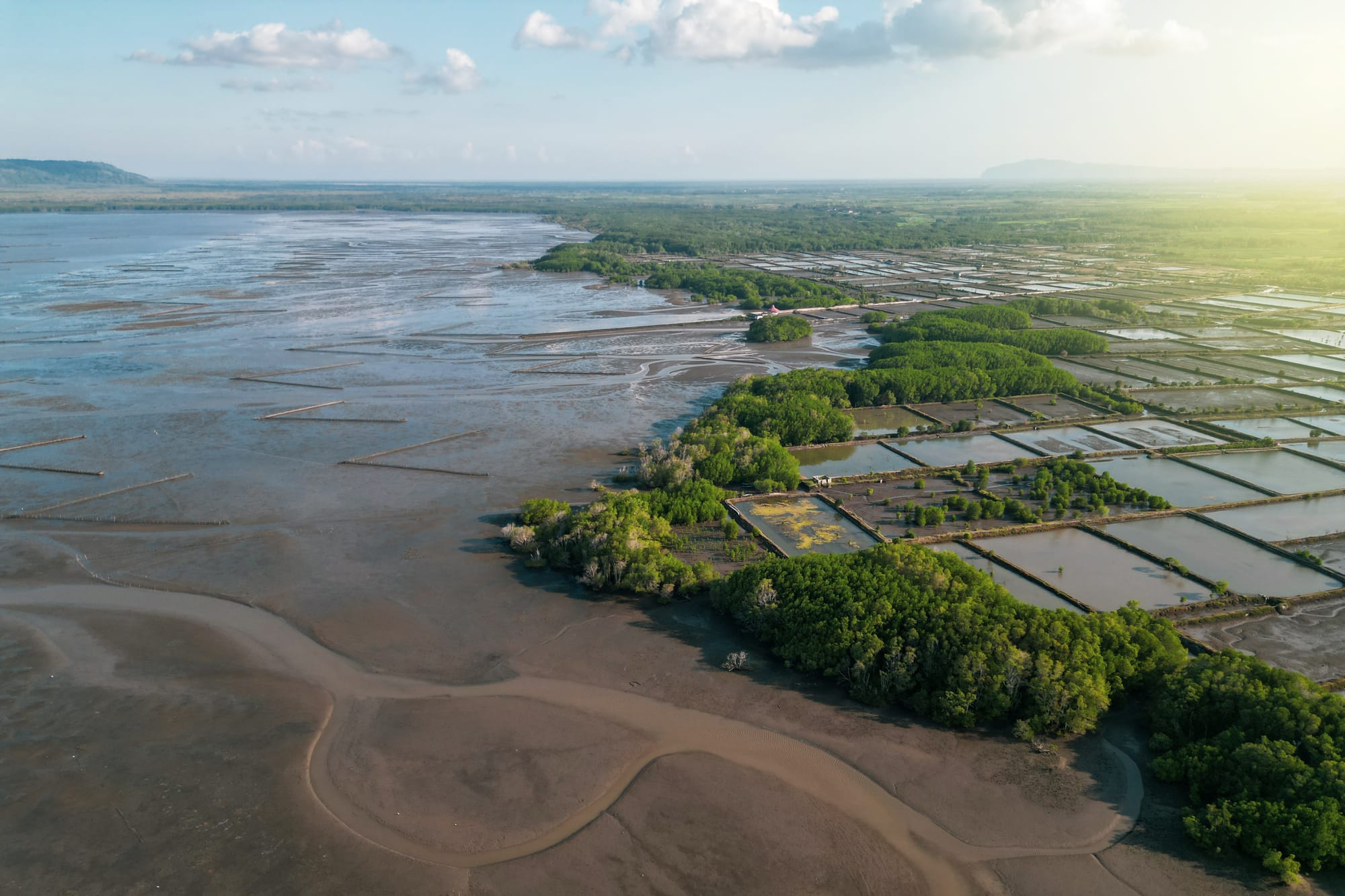
Blue You (Indonesia)
GOAP supports measurement and accounting approaches that help project teams communicate outcomes clearly and consistently over time.
GOAP’s role is to strengthen the quality and comparability of evidence used for reporting and external engagement.
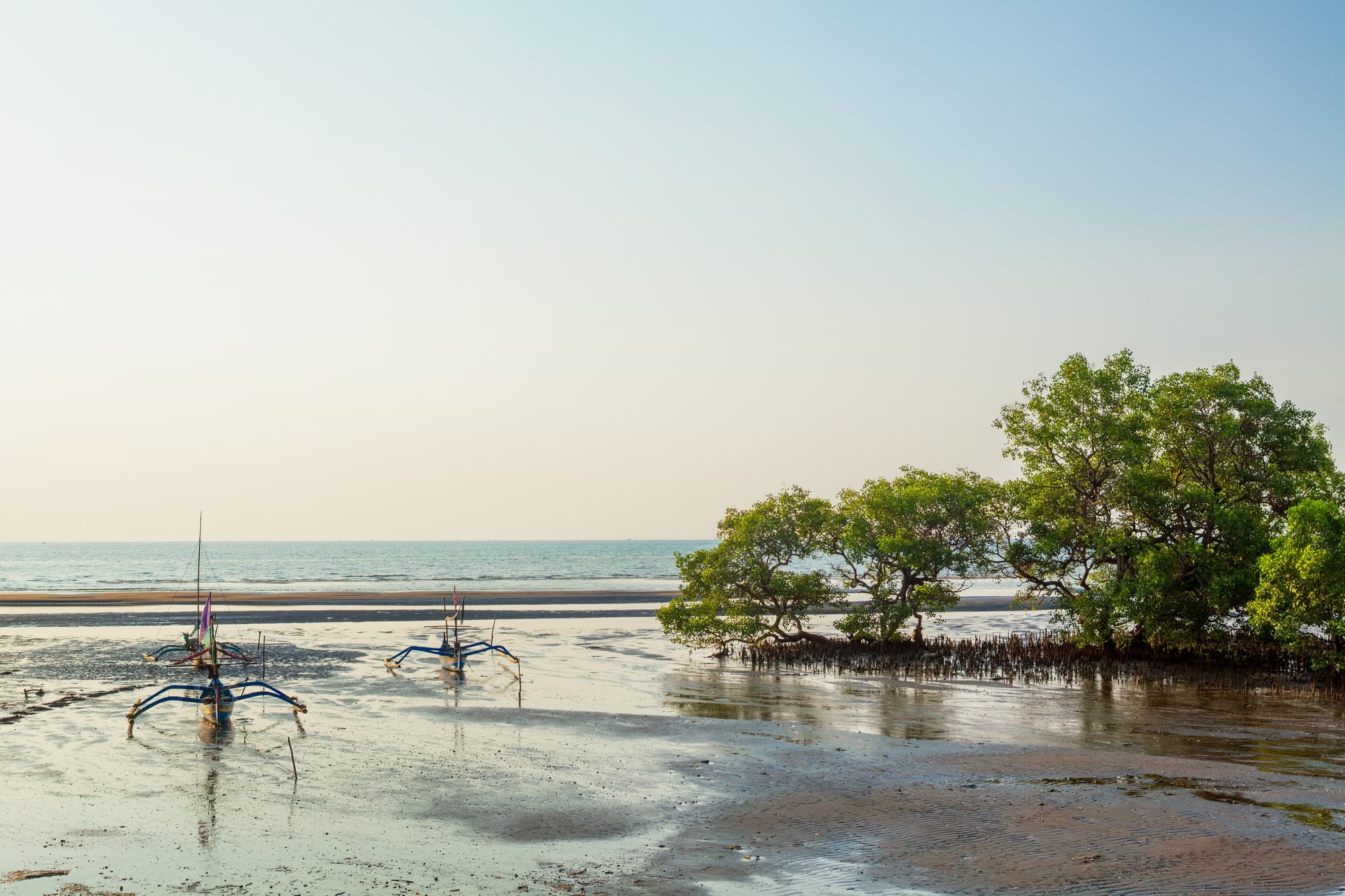
Rekam Nusantara Foundation (Indonesia)
GOAP supports the structuring of baseline and outcome information so benefits can be communicated to public and private stakeholders using consistent accounting logic.
GOAP’s accounting support helps make the project’s evidence easier to understand, compare, and use in planning and reporting.
Konservasi Indonesia (Indonesia)
GOAP supports accounting and measurement approaches that strengthen how project outcomes are documented and communicated, including outcomes relevant to climate, biodiversity, and livelihoods.
GOAP’s role is to support consistent, decision-ready reporting formats that can be used across different project contexts.
GOAP can provide technical assistance on project feasibility for selection, focused on whether expected outcomes can be measured and reported credibly using structured accounting approaches. GOAP’s feasibility support is specifically about measurement and accounting readiness, not about funding decisions.
Acknowledgement
This work is supported by the Australian Government Department of Climate Change, Energy, the Environment and Water (DCCEEW) and delivered in partnership with the International Union for Conservation of Nature (IUCN) through the Blue Carbon Accelerator Fund (BCAF). This work sits within Australia’s Blue Carbon Conservation, Restoration and Accounting Program (2021–2025), which includes international support via BCAF and support for environmental-economic accounting capability.
GOAP’s contribution focuses on accounting and measurement support to help project outcomes be reported in internationally compatible formats.
Hosted by:

Supported by: